OWNERSHIP / 22 Apr 2026
YOUR GUIDE TO ELECTRIC VEHICLES IN SINGAPORE
EV ownership, charging rates, batteries and buying guides.
A clearer view of the road ahead.
PERSPECTIVES & PRACTICAL ADVICE
Your source for electric vehicles in Singapore, covering EV news, EV charging guide, ownership costs and everything about EVs
Welcome to the premier destination for latest electric vehicle news and comprehensive EV ownership guides in Singapore. Whether you are researching the best electric cars for the coming years, tracking new EV model launches or looking for real-time updates on public charging station networks, we provide the data you need. Our platform offers expert analysis on EV battery technology, DC fast charging infrastructure, and sustainable e-mobility trends. From calculating total cost of ownership to finding the nearest charginghubs, we are your definitive one-stop resource for everything related to the global transition to electric vehicles and renewable energy.

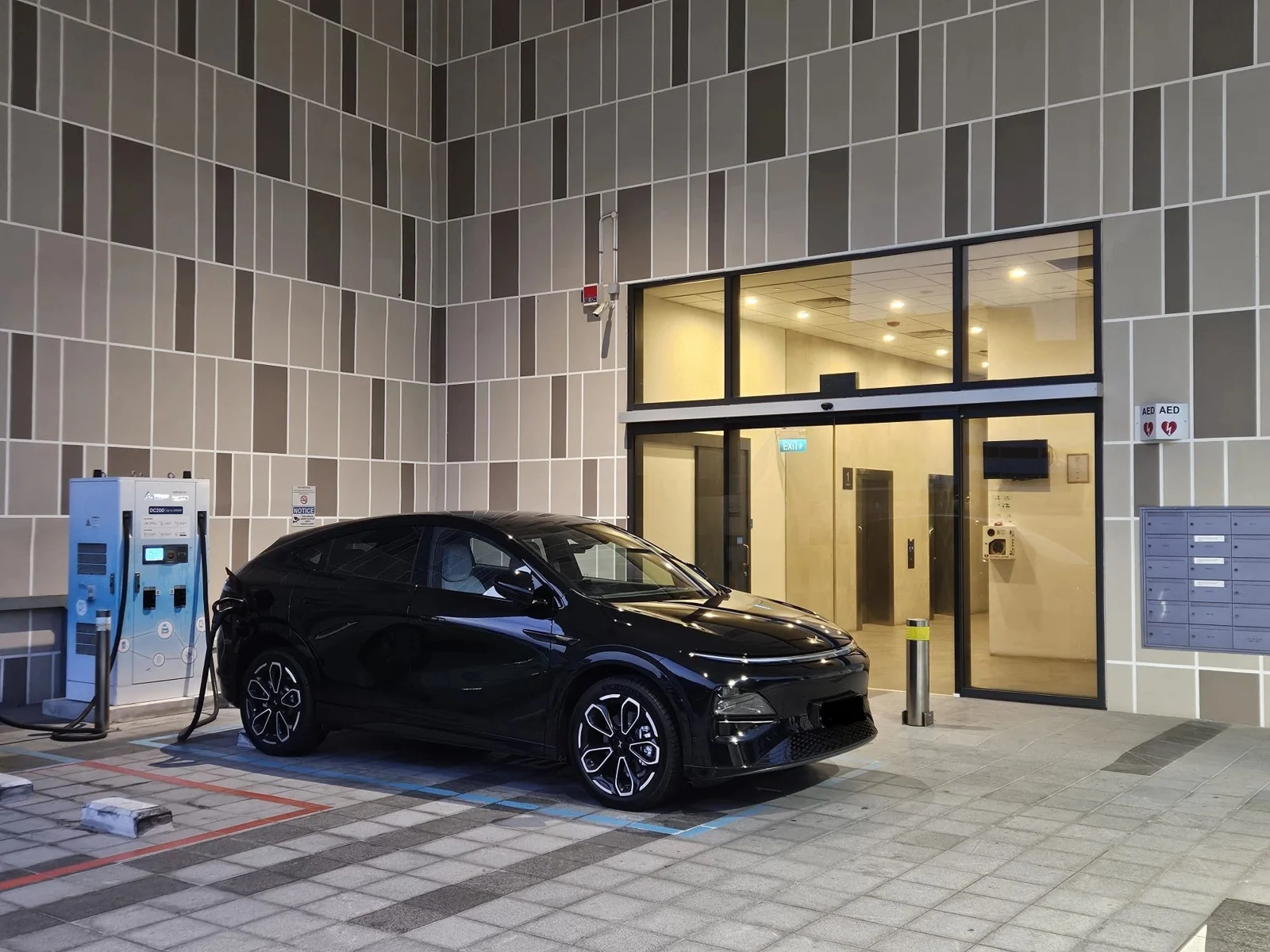
Ultra high speed 480kW DC charging is now available at Great World City. Owners of face lifted Xpeng G6 can now add 451 km in 10 minutes. Operated by Great Charge. They have 20 DC 480kW, 12 DC 180kW and 23 AC 22kW chargers on site. Chargers are from Huawei.

Learn everything about electric vehicles in Singapore. EV charging guide for charging stations, costs, battery life and EV vs petrol comparison in this complete guide.
As we move through 2026, EV ownership in Singapore has reached a critical turning point. With electric vehicles now accounting for nearly half of new registrations, the conversation has shifted from "environmental benefits" to "total cost of ownership." Following the 2026 adjustment to the EV Early Adoption Incentive (EEAI) and VES rebates, and PARF reduction, savvy buyers are closely weighing the upfront Additional Registration Fee (ARF) savings against the reality of public charging rates hitting over $0.60 per kWh.
While established names like Tesla and BMW remain popular, Chinese EV brands—specifically BYD, Xpeng, and Zeekr—are dominating the Category A and B COE segments by offering superior battery warranties and advanced tech integration. Whether you are navigating on EV charging availability or calculating the 10-year resale value of EV, we hope to provide the definitive data you need to decide if going electric is the right move for your lifestyle and wallet in the current Singapore car market.
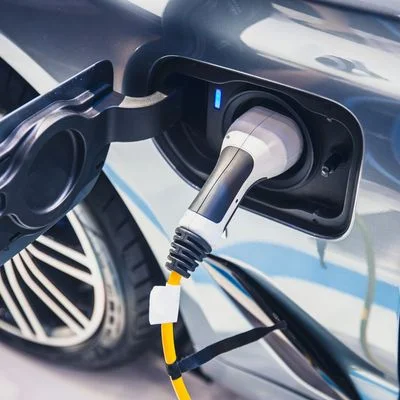
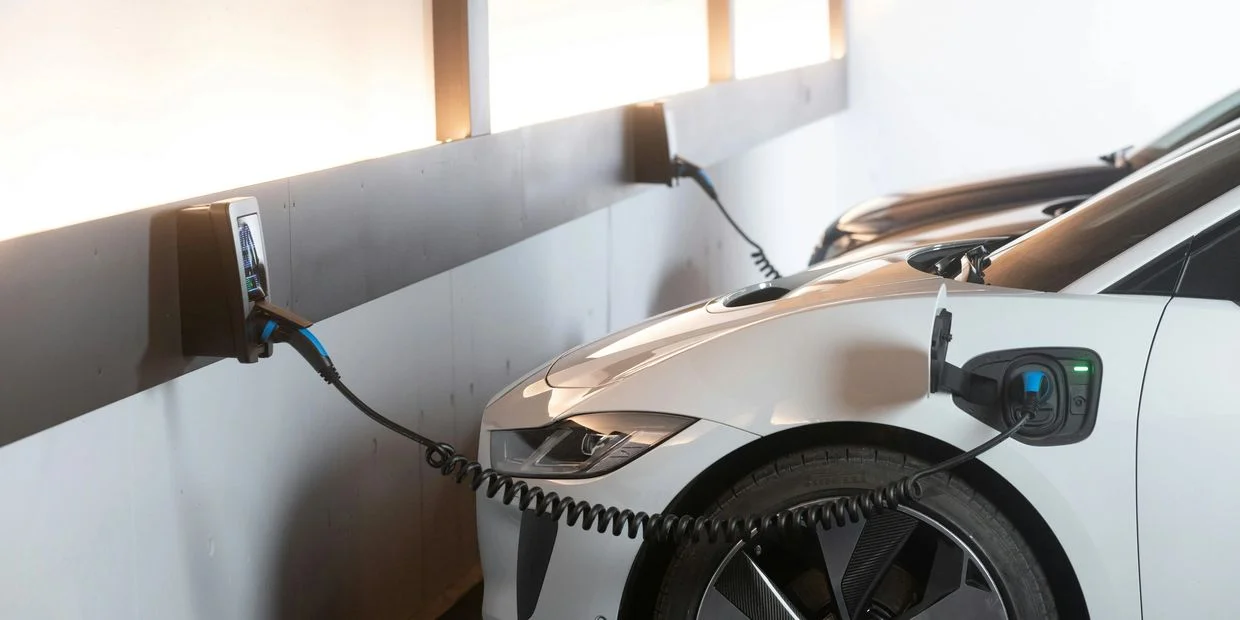
The automotive landscape in Singapore is undergoing a rapid transformation, with electric vehicles (EVs) moving from a niche option to a mainstream choice. As government incentives, expanding charging infrastructure, and rising fuel costs continue to reshape consumer behaviour, more drivers are seriously considering EV ownership. While many still focus on buying new electric cars notably BYD Tesla, a growing segment of savvy buyers is turning their attention to the used EV market.
Traditionally, purchasing a used car in Singapore carries inherent risks—hidden engine problems, costly repairs, and uncertainty about how well the previous owner maintained the vehicle. However, when it comes to EVs, these concerns are significantly reduced. Unlike internal combustion engine (ICE) cars, EVs are fundamentally simpler, more transparent, and less prone to major mechanical failures. Combined with long battery warranties and predictable maintenance costs, used EVs are increasingly viewed as a safer and more future-proof investment.
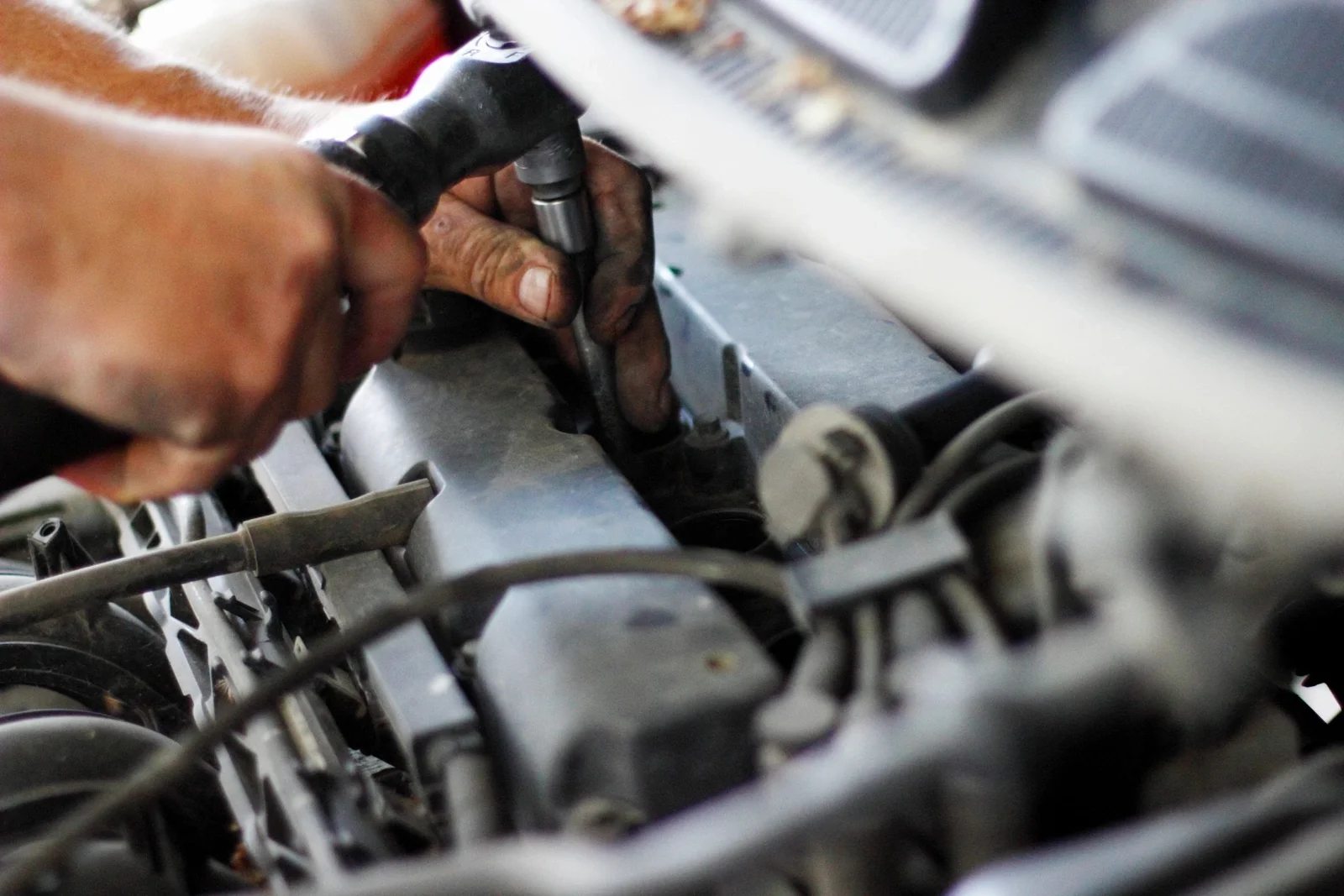
EVs have far fewer moving parts compared to ICE cars, which dramatically reduces the likelihood of unexpected mechanical breakdowns. Most battery EVs have no combustion-engine oil system or timing belt and use a simpler reduction drive. Their drivetrain, cooling and electrical components still require inspection. Many common ICE issues, such as overheating, head gasket failure, or transmission wear, simply do not exist in electric vehicles. Additionally, modern EVs come equipped with sophisticated onboard diagnostics that provide accurate, real-time monitoring of battery health and overall vehicle condition, giving buyers transparency that is nearly impossible to achieve with a traditional ICE car. In addition, most EV manufacturers offer comprehensive battery warranties, often covering 8 to 10 years or 160,000 kilometers, ensuring that even major battery issues are addressed without significant out-of-pocket costs. This, combined with the predictable cost of regular servicing, allows prospective buyers to budget more effectively and avoid unexpected financial shocks.
In this comprehensive guide, we break down exactly why buying a used EV in Singapore is less risky than purchasing a used petrol car, while also highlighting key considerations, cost factors, and expert tips to help you make the best decision.
EV vs ICE:
Understanding the Core Difference
Before diving into risk comparison, it is important to understand how EVs differ from traditional ICE vehicles.
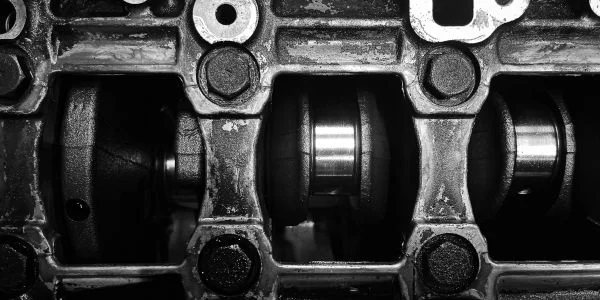
An ICE car relies on hundreds of moving components—engine pistons, fuel injectors, gearboxes, exhaust systems—all of which are subject to wear and tear. Over time, these parts degrade, leading to expensive repairs and unpredictable failures.
In contrast, EVs operate on a much simpler system:
This fundamental difference is the reason why EVs are generally more reliable and less risky, especially in the used car market.
Bought your new EV, what is next ?
Our EV Charging Guide
Learn about slow and fast chargers.
Check your EV’s supported AC and DC charging modes and limits.
AC Slow Charging - Check connector and power rating
DC Fast Charging - Check connector and power rating
Download the popular Charging Apps
Sign up accounts and complete credit card details in apps
Search for your nearest charging stations using Plugshare
Check if your battery type is LFP or NMC
LFP: follow the manufacturer’s recommended charge limit and any calibration instructions.
NMC: follow the car’s daily charge recommendation; a higher limit may be appropriate for a planned trip.
1. BYD Sealion7 Dynamic 71.8kWh 134 hp Road Tax $1,502 DC 110kW 405km
2. BYD Sealion7 Premium 82.5 kWh 308 hp Road Tax $2,262 DC 150kW 480km
3. Xpeng G6 Air 68.5 kWh 148hp Road Tax $1,560 DC 382kW 470km
4. Xpeng G6 LR 80.8 kWh 292hp Road Tax $,2194 DC 451kW 525km
5. Tesla Model Y RWD 110 62.5 kWh 148hp Road Tax L $1,560 DC 175kW 466km
6. Tesla Model Y Premium LR 84 kWh 295hp Road Tax $2,205 DC 250kW 661km
7. Cupra Tavascan 77 kWh 282 hp Road Tax $2,147 DC 135kW 568km
8. Subaru Solterra 73.1 kWh 338 hp Road Tax $3,489 DC 150kW 436km
9. Toyota bZ4X 73.1 kWh 224hp Road Tax $1,895 DC 150kW 478km
10. Zeekr X Urban 66kWh 148hp Road Tax $1,560 DC 150kW 441km
11. Zeekr X Standard 66 kWh 268hp Road Tax $2,088 DC 150kW 440km
12. Omoda E5 61kWh 133hp Road Tax : $1496 DC 80kW 430km
March 2026 COE Results:
1. Cat A : 1st Bid: $108,220, 2nd Bid : $111,890
2. Cat B : 1st Bid: $114,002, 2nd Bid : $115,568
3. Cat E : $1st Bid: 114,890, 2nd Bid : $118,119
April 2026 COE Results:
1. Cat A : 1st Bid: $118,000, 2nd Bid : $123,010
2. Cat B : 1st Bid: $121,000, 2nd Bid : $121,001
3. Cat E : 1st Bid: $121,000, 2nd Bid : $125,002
August 2026 COE Results:
1. Cat A : 1st Bid: $123,890, 2nd Bid : $128,501
2. Cat B : 1st Bid: $129,910, 2nd Bid : $131,001
3. Cat E : 1st Bid: $131,000, 2nd Bid : $135,000
September 2026 COE Results:
1. Cat A : 1st Bid: $133,009, 2nd Bid : $------
2. Cat B : 1st Bid: $135,001, 2nd Bid : $-------
3. Cat E : 1st Bid: $137,890, 2nd Bid : $------
1. Enquire about the battery warranty, vehicle warranty, and complimentary servicing. Leading offerings provide up to 10 years of battery warranty and 10 years of free servicing. However, the typical market standard is around 5 years for the vehicle warranty, 10 years for the battery, and 5 years of free servicing.
2. Ask if above are transferrable? Some brands do not allow the free servicing package to be transferred to next owner.
3. Enquire about the interest rate, which is typically around 2.28% for EVs. Additionally, consider the cost of insurance, as it can be relatively high. Be sure to negotiate for an insurance rebate as part of your purchase package.
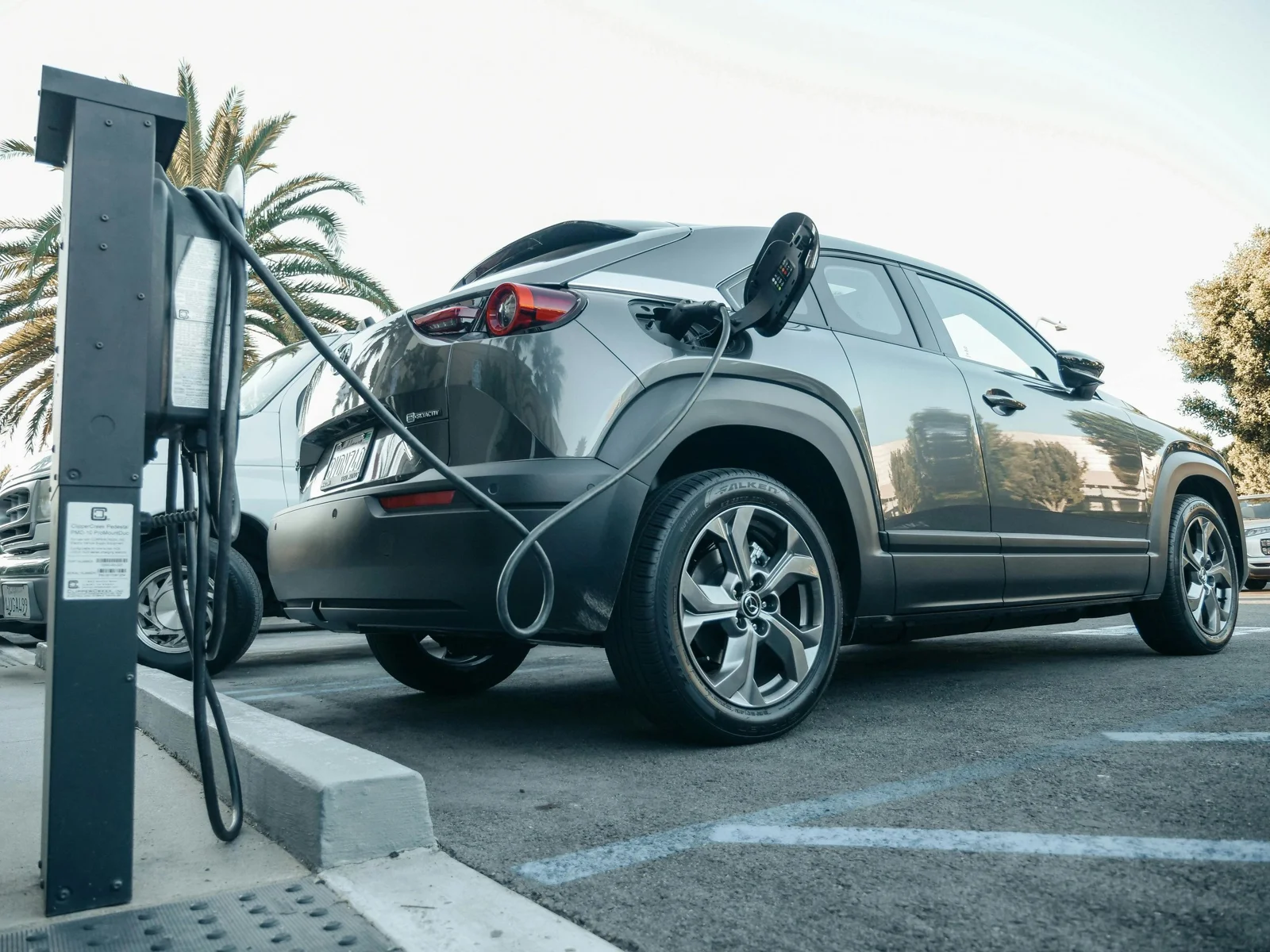
4. Preferably the EV’s charging port is positioned at the rear, as this allows for easier reverse parking into charging lots—particularly in Singapore, where car park spaces are often too tight for convenient head-in parking.
5. Take an extended test drive to assess the accelerator response, braking smoothness and any signs of jerkiness. Pay particular attention to the regenerative braking—whether it is adjustable or can be switched off—as poorly tuned regen systems can cause motion sickness, especially for passengers.
The Annual road tax of EV has 2 components. First is the Power Rating Component (Variable, based on formulae) and the other is the Additional Flat Component (Fixed Annual rate of S$700). Please click on the link to calculate your EV road tax via your VRN: Road Tax
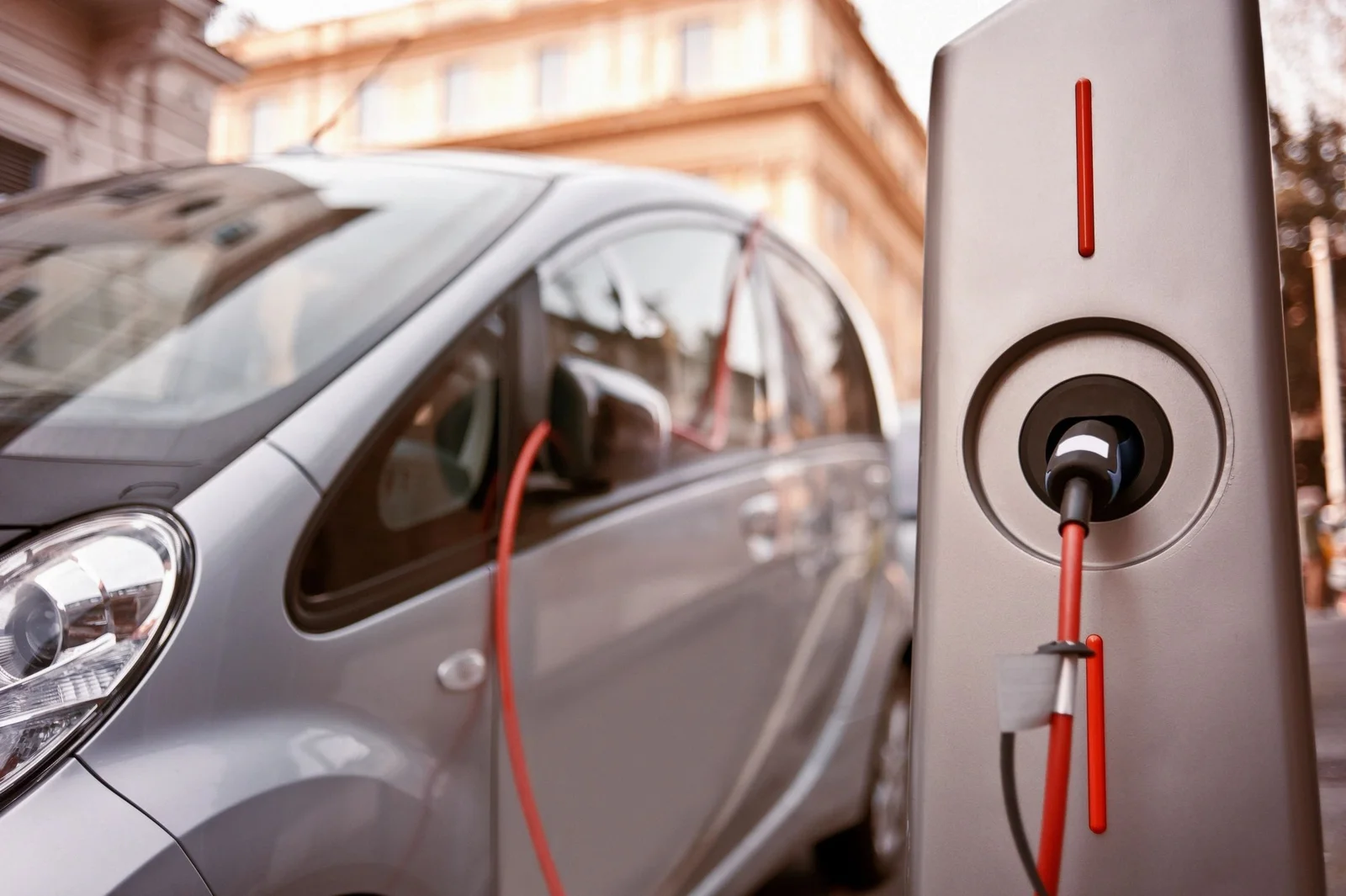
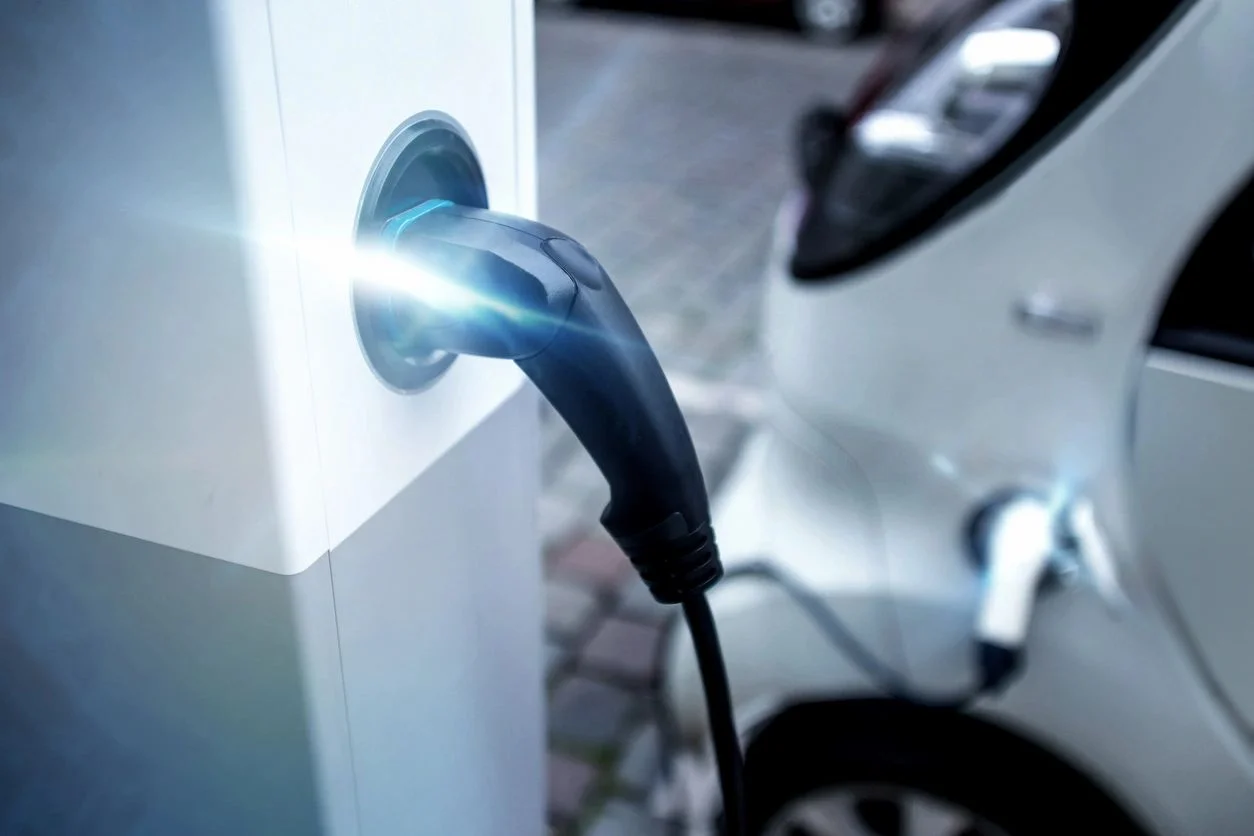
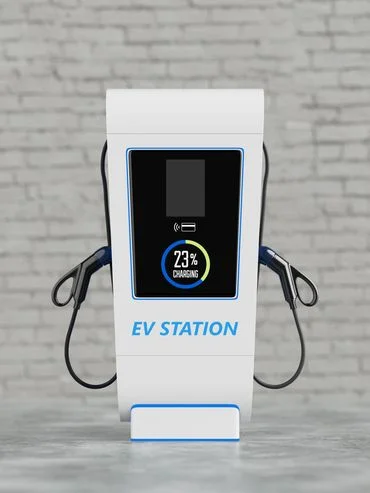
AC charging is considered slow charging, typically delivering between 3.7 kW and 43 kW. In contrast, DC charging provides faster charging speeds, generally ranging from 24 kW up to 480 kW.
Visually, AC chargers utilize a more compact, single-nozzle design, whereas DC chargers feature a significantly larger nozzle (often a dual-plug setup called the CCS2) to handle the higher power flow.
High PARF vehicles across both luxury and mainstream segments are facing a significant downturn effective from 22 Feb 2026 COE tender exercise, Any car with a substantial Preferential Additional Registration Fee (PARF) value is seeing its market appeal vanish as they are now faced with a steeper annual depreciation.
In particular, premium EV brands like Porsche, BMW, Mercedes and Audi etc now face a massive challenge to reposition themselves. With nearly 90% of their car's PARF value wiped out overnight, these models have seen their paper value collapse, resulting in a sharp spike in annual depreciation. Take note: This new policy is only applied to cars registered from 22 Feb 2026. All vehicles registered before this date is not affected.
It is fake leather.


THE NEXT CHAPTER